Scratch Crayon Font for Handmade Creations
As a small shop owner who loves creating unique products, I’ve found that the right font can make all the difference in how your designs are perceived. The Scratch Crayon font is one of those special typefaces that brings a nostalgic charm to any project. With its whimsical, high-energy style, it feels like a childhood memory come to life—perfect for adding a playful yet professional touch to handmade items.
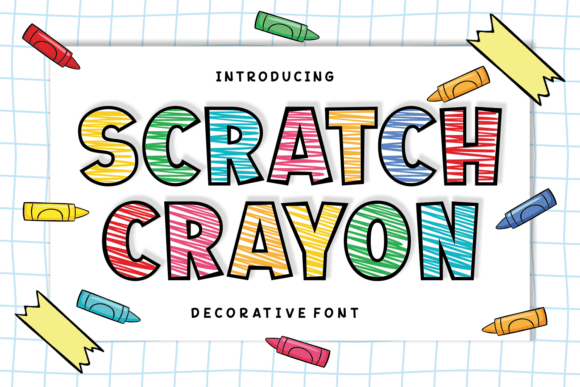
This decorative typeface has a distinct personality. Its uneven strokes and slightly irregular shapes mimic the look of crayon writing, making it ideal for projects that want to evoke a sense of fun and creativity. Whether you're designing labels, stickers, or invitations, Scratch Crayon adds a visual element that stands out without being overwhelming.
Using Scratch Crayon in Practical Craft Projects
The versatility of Scratch Crayon makes it a go-to choice for a wide range of craft applications. From handmade labels on jars to festive holiday tags, this font works well in both small and large formats. For instance, when creating candle labels, using Scratch Crayon gives them an artisanal feel that instantly connects with customers looking for something unique.
If you're into wedding stationery, consider using Scratch Crayon for welcome boards or thank-you cards. Its playful nature complements rustic and farmhouse themes beautifully. Similarly, for birthday invitations, it adds a personal, handcrafted touch that guests will appreciate.
Scratch Crayon for Product Packaging and Branding
When it comes to product packaging, the way text is presented plays a crucial role in perceived quality and brand consistency. Scratch Crayon helps establish a consistent visual identity across different items. It’s especially effective on product tags, mugs, shirts, and tote bags where readability is key but style matters just as much.
I often use this font for boutique tags and seasonal craft designs. It pairs well with simple backgrounds and allows the text to be the focal point. For example, a handmade soap label with Scratch Crayon text immediately communicates a sense of care and attention to detail.
Readability and Practical Use Tips
While Scratch Crayon is undeniably charming, it's important to ensure that it remains readable, especially in smaller sizes or on cutting machines. When designing stickers or product labels, test the font at various sizes to confirm legibility. Mockup previews can help identify potential issues before final printing.
For digital printables, I recommend using high-resolution files and ensuring that the font scales well. If you're working with SVG designs or Cricut files, double-check that the font maintains clarity even after scaling down.
Font Pairing Ideas for Scratch Crayon
To create visually balanced designs, pairing Scratch Crayon with complementary fonts can enhance the overall look. A clean sans serif font works well for body text, while a bold display font can be used alongside it for headings. For a more cohesive design, consider combining it with a handwritten font for a layered effect.
Another great option is to pair it with a simple serif font for contrast. This combination is particularly effective in planner pages or wall art, where the whimsy of Scratch Crayon is balanced by the elegance of a serif typeface.
Commercial Use and Licensing Considerations
If you're planning to sell physical products, templates, or digital downloads, it's essential to check the commercial licensing terms of Scratch Crayon. Ensuring that you have the right to use the font for your specific needs—whether it's for merchandise, client work, or printables—is crucial to avoid any legal issues.
Many premium fonts offer flexible licensing options, so take the time to review what's included. Some may provide access to alternates, ligatures, swashes, and multilingual support, which can be beneficial for international markets or more complex design projects.
Whether you're a crafter, Etsy seller, or printable product creator, Scratch Crayon offers a unique opportunity to elevate your designs. Its nostalgic appeal and practicality make it a valuable asset in any creative toolkit. By understanding how to use it effectively, you can create pieces that not only stand out but also resonate emotionally with your audience.